 English
  cn
cn  de
de  es
es  fr
fr 
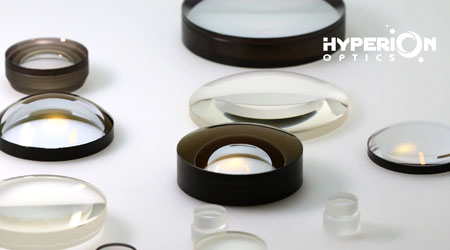
Doublet lenses are consumable. Aging begins immediately after opening the seal. During the long-term use, the surface of the doublet lens will continue to increase defects and stains. These defects or stains attached to the glued lens will scatter the laser and produce diffracted light, which may have adverse effects on the experiment. How long can a doublet lens last depends on the purpose of the experiment or the environment in which it is used. In general use conditions, it can be used for 2 to 3 years.
In the operation of doublet lenses, careful attention should be paid to avoid defects or stains. Basically, you can't touch the polished surface. Hold the part or side of the wool face lightly (circumference). When holding a doublet lens, careful attention should be paid to keeping the components from falling. If possible, it is recommended to wear contact elements such as finger sheaths. When the doublet lens is fixed on the bracket, the threads of the fixing elements can not be tightened excessively except for special occasions such as transportation.
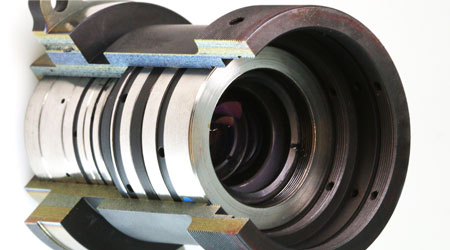
Overtightening may cause component damage and significantly worsen the performance of the glued lens. Please tighten the lens gently so that it does not collide and vibrate. The thread of the fixing element may loosen. It is suggested that the lens be glued to the bracket. Or fix threaded lens with thread glue and stick dust or grease on it. When you feel that you need to clean, the first thing you need to do is to make sure that this component is clean or not. Gold film (no protective film), aluminium film (no protective film) and so on, if wiped with paper, there will be wear and tear, leading to no use.
In contrast, multilayer dielectric films or protective films can be cleaned. However, because cleanliness is at risk of damage, it is recommended that it be cleaned when it is necessary. When cleaning the doublet lens, be sure to remove the element from the bracket. It is very difficult to wipe the doublet lens on the bracket, which requires some experience.





 Call us on:
  Email us:
  9B-4F, No.1 Qingnian Road Liando U Valley,Yuhua International Wisdom Valley, Nanjing, 210039 China