 English
  cn
cn  de
de  es
es  fr
fr 
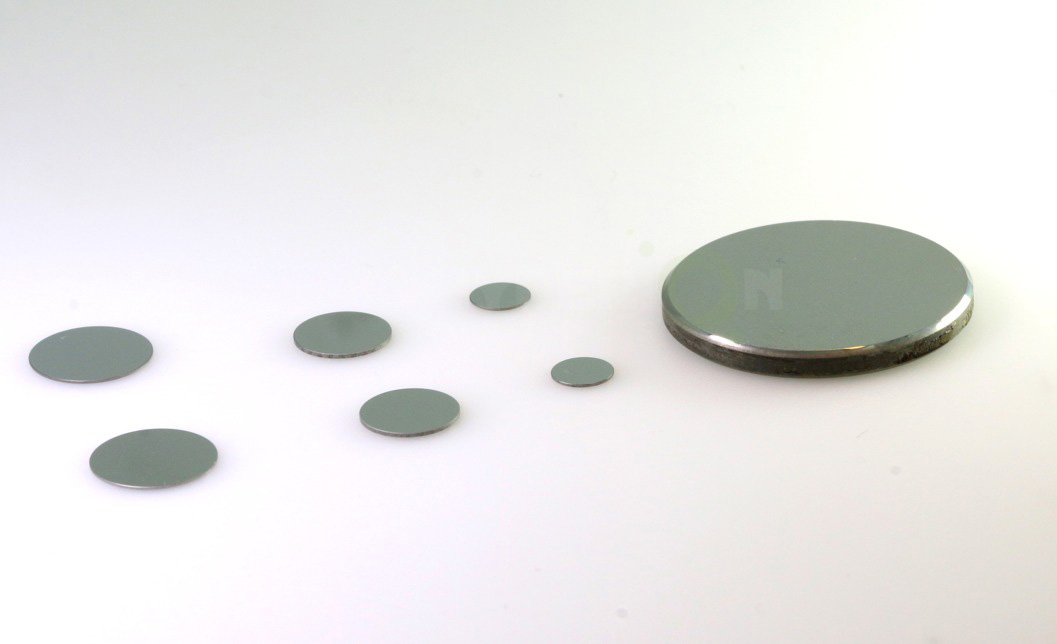
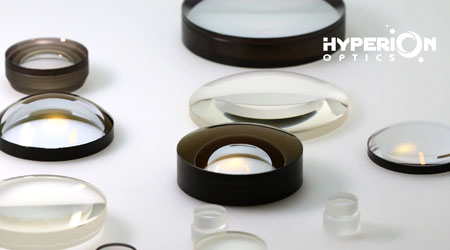
Among other materials for Hyperion Optics showing good transmission in 2-15 µm range. Due to high refractive index Ge lenses became very useful components of IR imaging systems operating in both “atmosphere windows”: 3-5 and 8-12 microns.
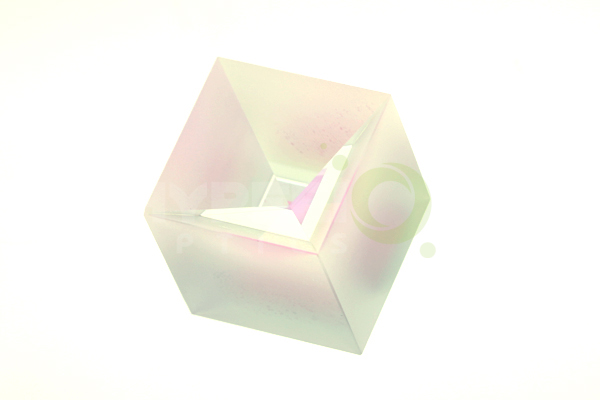
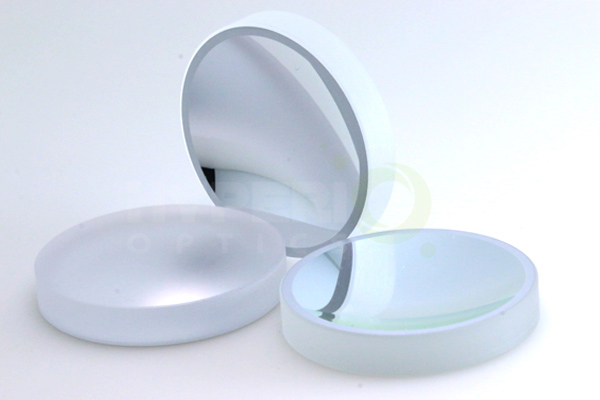
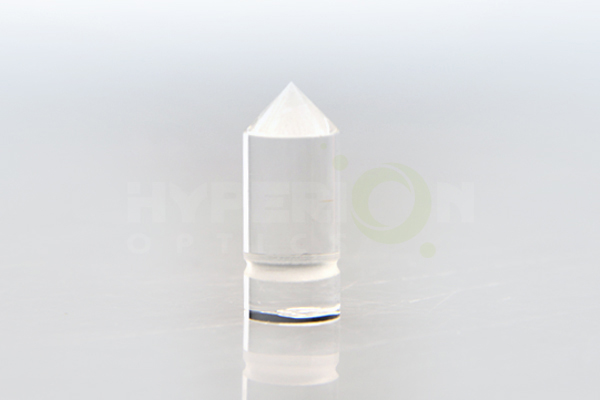
Both monocrystalline and polycrystalline Ge may be used for manufacturing of optical components. We produce Germanium lenses and windows for infrared thermal imaging applications and pyrometry (see our webpageGermanium windows and lenses for thermography). Also such components for spectroscopy as ATR prisms,detector windows, and IR Polarizers are available.
Ge is also good electromagnetic interference (EMI) shielding material. Its special grade called EMI for its ability to shield against electromagnetic interference has become increasingly important for modern military applications where other signals (within millimeter and centimeter range) can be strong enough to make nearby IR systems ineffective. Typical resistance for EMI grade Germanium is about 4 Ohm x cm but it depends on required level of spurious signal suppression. Using Ge window with such resistance these signals are effectively shorted out and the IR system shows good performance.




 Call us on:
  Email us:
  9B-4F, No.1 Qingnian Road Liando U Valley,Yuhua International Wisdom Valley, Nanjing, 210039 China