 English
  cn
cn  de
de  es
es  fr
fr 
Opto-Mechanical Design is an essential aspect of any optical system. It involves the integration of optical components with mechanical structures to create precision instruments that meet the desired specifications. Achieving optimal performance requires a delicate balance between the optical and mechanical elements. In this blog, we will explore the key principles of successful Opto-Mechanical Design, with a specific focus on the brand Hyperion Optics.
Before delving into the principles of Opto-Mechanical Design, it is important to grasp the fundamentals. Opto-Mechanical Design combines the precision of optics with the stability of mechanical engineering to ensure the alignment and assembly of optical components within an instrument. This process involves considering factors such as material selection, thermal management, and structural stability to guarantee optimal performance.
One of the primary goals of Opto-Mechanical Design is to achieve stability and accuracy in the optical system. Hyperion Optics excels in this regard, employing advanced design techniques to minimize the effects of external vibrations and thermal variations. By using materials with low coefficient of thermal expansion and implementing effective damping techniques, Hyperion Optics creates instruments that can withstand changing environments while maintaining precise alignment and focus.
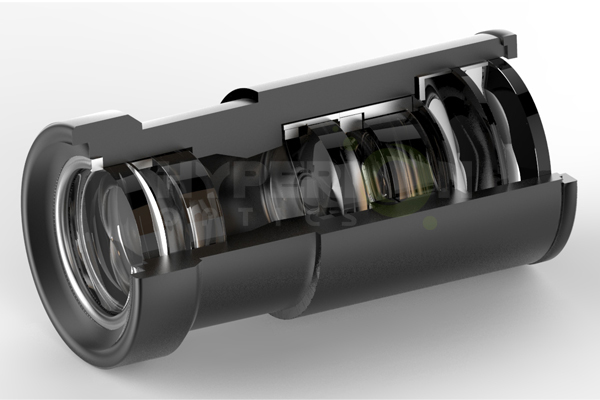
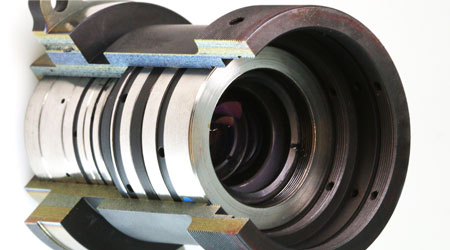
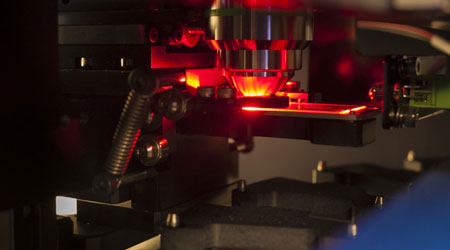
Integrating optics and mechanics seamlessly is another vital principle of Opto-Mechanical Design. The optical components need to be securely mounted and aligned within the mechanical structure to ensure proper functionality. Hyperion Optics carefully considers the design and fabrication of mounts, ensuring that they provide sufficient support, stiffness, and adjustability for precise alignment. This integration process is crucial in achieving optimal performance in a wide range of applications, from imaging systems to laser systems.
Successful Opto-Mechanical Design is an iterative process that involves multiple design iterations and thorough testing. Hyperion Optics understands the importance of this principle and employs a systematic approach to design optimization. Through rigorous testing and validation, potential design flaws and performance limitations are identified and addressed. This iterative approach allows for continuous improvement and ensures that the final product meets or exceeds customer expectations.
Opto-Mechanical Design is a balancing act that requires a deep understanding of both optics and mechanics. Hyperion Optics embraces these principles in their design process, resulting in precision instruments that deliver exceptional performance. By focusing on stability, accuracy, integration, and iterative design, they have established themselves as a trusted brand in the industry. Whether you're in need of imaging systems, laser systems, or any other custom optical solutions, Hyperion Optics is dedicated to delivering excellence in every design.




 Call us on:
  Email us:
  9B-4F, No.1 Qingnian Road Liando U Valley,Yuhua International Wisdom Valley, Nanjing, 210039 China